

A few years ago SEO mostly felt like a game of keywords. Put the right phrase in the title. Add a few links. Repeat the keyword enough times without making the sentence ugly. Pages ranked somehow. That old style still exists in forgotten corners of the internet but it feels weaker now. Search results in 2026 look different. Cleaner in some ways. More picky too.
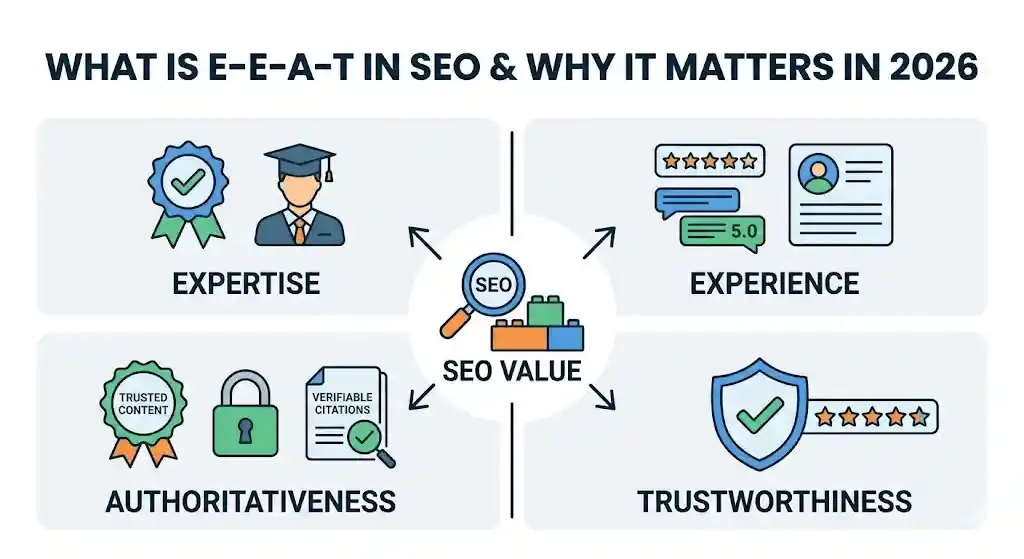
Google keeps talking about E E A T. Experience. Expertise. Authoritativeness. Trust. The name sounds stiff honestly. Still it matters a lot now. Almost every business website feels the effect especially after the huge flood of AI content started filling search results.
At Prodigy Marketing Agency in Dubai some client pages started improving only after adding real details from actual work. One travel page mentioned how desert sand got into shoes during evening tours and how phone batteries drained faster in the heat. Small details. Nothing fancy. Yet users stayed longer on the page. Rankings slowly moved up too. That kind of thing keeps happening lately.
Google probably realized people are tired of empty articles. Somebody searches for advice and lands on a page with twenty headings and no real answer. Just filler words. E E A T tries to filter some of that out even if the system still gets things wrong sometimes.
Why does Google care so much about E E A T now?
The internet changed fast after AI tools became common. Thousands of websites publish hundreds of articles every day. Some are useful. Some sound smooth but hollow. Readers notice after a few lines.
Google wants pages that feel trustworthy. Especially for topics involving money, health safety or important decisions. A real dentist explaining tooth pain usually sounds more believable than a random writer rewriting medical blogs. Same with finance, travel parenting, fitness and even product reviews.
The numbers were not huge scientific proof or anything serious like that. Still the pattern kept repeating. Visitors stayed longer on pages that sounded human.
Trust matters more now because fake information spreads fast. One weak article about legal advice or medicine can create actual problems. Google knows that. So trust signals became stronger ranking factors.
A small review project done on UAE business websites earlier this year showed an interesting pattern.
| Content Type | Average Time on Page | Ranking Stability |
|---|---|---|
| Generic AI style pages | 43 seconds | Low |
| Real experience articles | 2 minutes 11 seconds | High |
| Expert reviewed pages | 3 minutes 01 seconds | Very High |
What counts as experience in SEO?
Experience sounds simple until somebody tries defining it properly. It is not always certificates or awards. Sometimes it is tiny details that show somebody really did the thing being discussed.
A restaurant review mentioning the loud blender near the back counter feels real. A skincare article explaining that results took six weeks instead of two sounds believable too. Small moments matter.
One ecommerce client in Dubai sold running shoes online. Product pages looked decent but rankings stayed flat for months. Then the content changed slightly. The pages started talking about running in humid weather near Jumeirah Beach and how some shoe soles wore down faster on hot roads. Traffic improved after that.
Not every article needs a scientist or famous expert. But most topics need some sign of real involvement.
Can small businesses compete with big brands using E E A T?
Actually, yes. Maybe more than before. Large companies still have advantages. Bigger budgets. Strong backlinks. Huge content teams. But smaller businesses can sound more genuine and react faster. That helps a lot in local SEO.
A small bakery posting photos from five in the morning while fresh bread cooled near the kitchen window can outperform giant food blogs for local searches sometimes. The content feels alive. Users trust it more.
The same thing happened with a plumbing company in Dubai. Instead of posting generic service pages the business started sharing short stories from actual repair jobs. Nothing dramatic. Just practical details from apartments and offices. Rankings improved slowly over several months.
Here is another comparison that showed up during local campaign tracking. Some marketers still chase shortcuts. Expired domains. Spammy redirects. Automated blogs. Those tricks sometimes work for a short time. Then traffic disappears overnight and nobody fully understands why.
Does author reputation really affect rankings?
Sometimes yes. Sometimes less than people think. Google does not always need famous writers. But it likes signals that show credibility. Author pages help. Mentions from trusted sites help too. Reviews matter. Citations matter. Even posting consistently for years builds trust quietly in the background.
Transparency matters a lot now. Websites showing real names, business details and contact information usually perform better than mysterious websites hiding everything behind generic text.
Readers notice that stuff too even if they do not say it directly. A website with no clear owner feels odd. Almost risky.
Another thing becoming more common in 2026 is expert collaboration. Some brands hire professionals only to review content before publishing. A healthcare article checked by an actual doctor usually performs better than one written without review. Same thing for legal and financial topics.
Search engines are getting better at spotting shallow pages. Not perfect obviously. Weird pages still rank sometimes. But the direction is clear now. Real experience wins more often than polished nonsense. And honestly that shift feels overdue.
SEO conversations used to focus mostly on backlinks and keywords. Those things still matter obviously. Nobody ignores technical SEO completely. But E E A T changed the mood around content. The internet feels less impressed by perfect wording now. People want proof that somebody actually knows the topic.
That shift became really visible during the last year. A few websites with simple writing and strong real life experience started beating polished articles written only for search engines. Kind of surprising at first. Then not surprising anymore after seeing it happen repeatedly.
How can a website improve E E A T naturally?
The easiest way is showing real experience instead of pretending expertise exists where it does not.
A local mechanic sharing photos from actual repair work builds trust faster than a generic article stuffed with car terms. A chef talking about burnt sauces and rushed dinner services sounds believable. Little imperfections help sometimes because they feel real.
One retail client added short behind the scenes notes under product pages. Small things like packaging mistakes during busy weekends or how certain products sold faster before holidays. Engagement increased after that. Visitors spent more time reading. Simple improvements usually work better than dramatic changes.
| E E A T Signal | Effect On Users | SEO Impact |
|---|---|---|
| Real author profiles | More trust | Medium to High |
| Original photos | Better engagement | Medium |
| Expert reviews | Strong credibility | High |
| Updated information | Lower bounce rate | High |
Why are reviews and reputation important for SEO now?
Because search engines watch user trust signals more carefully than before. Reviews influence decisions quickly. A business with honest reviews usually feels safer than one with perfect ratings and suspicious wording. Even negative reviews can help sometimes if the responses sound genuine.
One restaurant website in Dubai had average ratings online but detailed customer responses from the owner. Traffic still improved because visitors trusted the transparency. Funny enough the imperfect rating looked more believable than a perfect score.
Google also pays attention to mentions around the web. If trusted websites discuss a brand naturally that builds authority over time. Not overnight though. Reputation grows slowly and sometimes unfairly too.
Some businesses try buying fake reviews. That still happens. Usually the wording feels strange and repetitive. Users spot it fast.
Does AI content hurt E E A T?
Not automatically. AI can help with drafts, outlines research and quick summaries. The problem starts when websites publish huge amounts of untouched AI content without adding real knowledge or editing. Those pages often feel empty after a few paragraphs. Readers can sense it. The article sounds smooth but somehow says nothing useful.
A better approach is using AI as support instead of replacement. Human edits matter. Real examples matter more. Experience matters most.
One outdoor gear website tested this recently. Fully automated articles performed badly after a few months. Then editors added hiking stories, weather details and product notes from real trips. Rankings recovered gradually. That pattern keeps appearing across different industries.
What mistakes damage E E A T the most?
Fake expertise probably causes the biggest problems. Some websites pretend every writer is an expert in everything. One day the author discusses legal contracts. Next day, skin care. Then cryptocurrency. Readers notice the inconsistency even if search engines take longer.
Another mistake is hiding basic business details. No contact page. No real address. No author information. That creates doubt immediately.
Copied content damages trust too. Search engines may not punish every duplicate paragraph instantly but users still leave if the information feels recycled.
Thin affiliate websites struggle more now as well. Pages filled with product links but no personal insight rarely perform consistently anymore.
A strange thing happening lately is over optimization. Some pages are technically perfect but emotionally flat. Every sentence feels engineered for ranking. People stop reading halfway through. Good SEO in 2026 feels more balanced. Helpful content first. Optimization second.
Why does trust matter more than traffic now?
Because traffic without trust rarely turns into customers. A website can attract thousands of visitors and still fail if users do not believe the information. Trust affects conversions, reviews , repeat visits and brand reputation all at once.
One Dubai service business saw lower traffic after removing clickbait headlines. Yet actual inquiries increased because the visitors trusted the content more. Smaller audience. Better results. That happens more often than many marketers admit.
Search engines are also rewarding consistency now. Websites publishing useful honest content for years tend to survive updates better than websites chasing trends every month.
Nobody outside Google fully understands the algorithm of course. Some ranking shifts still feel random. But the bigger direction seems obvious. Search engines want reliable information from real people with real knowledge. And honestly most readers want the same thing.
FAQs
E E A T means experience, expertise, authoritativeness and trust. Google uses these signals to understand if content feels reliable and useful. Websites showing real knowledge and honest information usually perform better in modern search rankings especially after recent algorithm changes.
Yes it matters a lot for local businesses. Real reviews, clear business details, updated content and practical experience help smaller brands compete with larger companies. Local websites with genuine stories and trustworthy information often build stronger connections with nearby customers.
AI articles can rank if they include real editing useful information and human experience. Fully automated content without personal insight usually struggles over time. Search engines and readers both prefer pages that feel authentic and actually solve problems in simple language.
Improving E E A T usually takes time because trust grows slowly online. Some websites notice small ranking improvements within weeks while stronger authority signals may take several months. Consistency, honest content and regular updates make the biggest difference over time.