

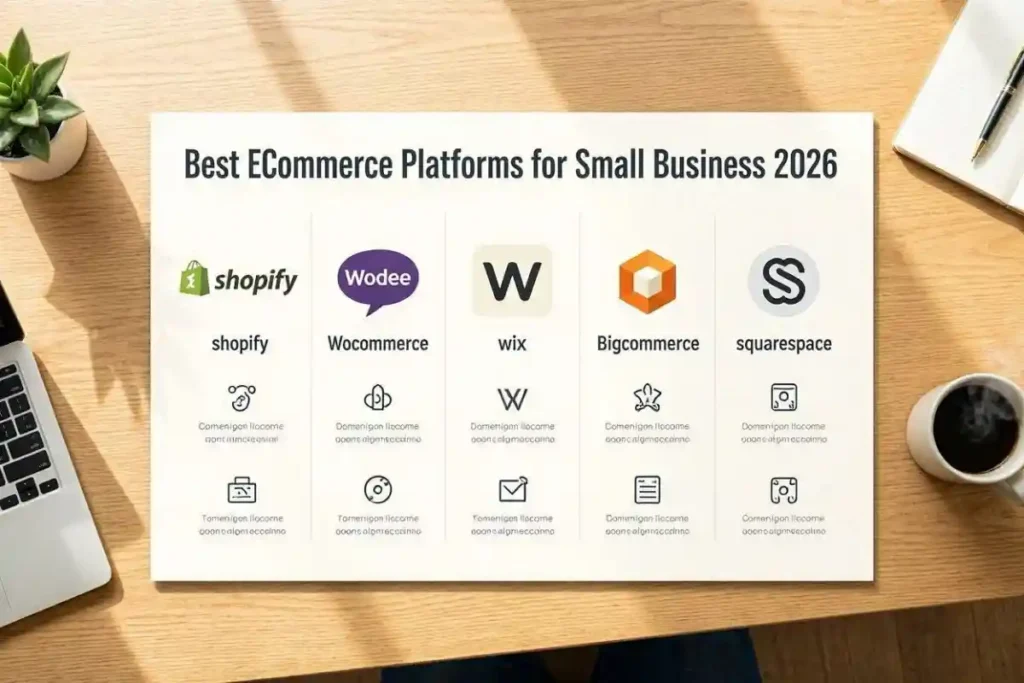
Running a small online store in 2026 feels very different now. A few years back many shop owners just wanted a clean homepage and maybe a payment button that worked most days. Things changed fast. Buyers now expect quick pages, easy checkout mobile support, fast replies and smooth delivery tracking. Even tiny brands selling candles, handmade soap or local snacks are expected to feel polished. That pressure pushes many business owners to search for the best ecommerce platform before anything else. Around Dubai many new stores keep popping up every month and some disappear just as fast. A lot of them fail because the platform choice was rushed early.
The team at Prodigy Marketing Agency in Dubai has worked with many small stores that started on the wrong setup. One clothing seller used a platform that looked cheap at first but became expensive after adding shipping tools and payment apps. Another seller moved platforms twice in one year because the mobile version kept breaking. Those small problems become stressful very quickly. Customers leave fast when pages load slowly. Nobody waits anymore. Even five seconds can feel long now.
What is the best ecommerce platform for small businesses in 2026?
Shopify still feels like the easiest choice for most small businesses. It is simple enough for beginners but not too limited when the store starts growing. Many store owners like how fast it works right after setup. Templates are clean and checkout feels smooth. There are some extra app costs later which annoy people sometimes but the overall experience stays reliable. For small brands without a technical team Shopify usually creates fewer headaches than most platforms. That matters more than fancy features honestly. Less stress means more time for product photos, customer chats and actual selling.
WooCommerce still has loyal fans too. Especially business owners who want more control. A local furniture seller in Dubai switched from Shopify to WooCommerce because custom product pages mattered more than simplicity. The move took longer than expected and there were a few strange plugin issues during launch week. Still the owner preferred the freedom later. That happens often. WooCommerce feels flexible but also slightly messy sometimes. Small businesses without tech knowledge may struggle during updates or speed fixes. Yet for content heavy websites it remains strong.
Why are small businesses leaving old ecommerce platforms?
Some older ecommerce platforms feel stuck in the past now. Slow dashboards, confusing settings and weak mobile support frustrate owners daily. Customers notice these things too. One bakery store owner mentioned that updating products felt harder than decorating actual cakes. That comment sounded funny but also true. People want systems that save time, not create more work. Small teams already manage inventory packing social media and customer service together. Nobody wants another complicated task added every morning.
Another reason is hidden costs. Many platforms advertise low starting prices then suddenly charge extra for payment gateways reports apps themes and email tools. It catches new business owners off guard. At first the monthly bill looks tiny. Six months later the total becomes uncomfortable. Some stores spend more on platform tools than advertising. That feels backwards. Transparent pricing matters more now because small businesses track every expense closely.
The rise of mobile shopping changed platform choices too. Most shoppers browse from phones while sitting in cars, cafes, offices or beds late at night. If a store looks strange on mobile, customers disappear quickly. A few years ago people tolerated awkward layouts. Not anymore. Mobile speed almost decides trust now. A skincare seller lost nearly half the sales before realizing the checkout button was hidden on some Android screens. Tiny issues cause huge damage.
Which ecommerce platform is best for beginners?
For beginners Shopify usually wins because setup feels less intimidating. The dashboard is clean and tutorials are everywhere. Even people with zero design experience can create decent looking stores within days. That simplicity removes fear. Many small business owners delay launching because they assume ecommerce setup needs coding knowledge. Most platforms today avoid that problem but Shopify handles it better than many competitors.
Still beginners should not ignore Wix. It improved more than expected recently. Earlier versions felt too basic for serious stores but things changed. The editor became smoother and product pages look nicer now. A handmade jewelry seller moved to Wix after struggling with WooCommerce plugins for months. Sales did not magically explode but daily management became easier. Sometimes easier systems help businesses grow faster because owners stop wasting time fixing technical issues.
BigCommerce deserves attention too even if people mention it less often. It works well for stores expecting fast growth. Features come built in without depending heavily on extra apps. That reduces clutter. Some users still find the dashboard slightly stiff though. Not terrible. Just less friendly during the first week or two. After learning the basics many owners stay happy with it.
Below is a simple comparison table that small business owners around Dubai often discuss during early planning meetings.
| Platform | Best Use | Starting Feel | Monthly Cost Range |
|---|---|---|---|
| Shopify | Fast growing stores | Very easy | Medium |
| WooCommerce | Flexible websites | Medium difficulty | Low to medium |
| Wix | Small simple stores | Very easy | Low |
| BigCommerce | Growing brands | Medium | Medium to high |
| Squarespace | Creative products | Easy | Medium |
Squarespace works nicely for visual brands too. Artists, photographers and fashion sellers usually enjoy the design side. Templates look polished without much effort. The problem appears later when advanced ecommerce features become necessary. Some stores eventually outgrow it. That does not make it bad. It just serves a different stage better.
How much should a small business spend on ecommerce platforms in 2026?
Many small businesses spend between fifty and three hundred dollars monthly once everything gets added together. That includes apps, email tools themes and payment charges. Some owners expect much lower costs because advertisements only show entry plans. Real numbers appear later. A sneaker reseller in Dubai started with a tiny budget but ended near two hundred dollars monthly after adding inventory tools and customer chat systems. The owner still considered it worth paying because sales improved. Good platforms usually save time and reduce customer complaints. Those hidden savings matter too.
Cheap platforms sometimes become expensive indirectly. Slow websites lower conversion rates. Weak checkout systems increase abandoned carts. Limited integrations waste staff hours. Those losses rarely appear clearly inside reports but they still hurt businesses quietly every day. Spending slightly more on a stable platform often feels smarter after a few stressful months.
Payment gateways also influence platform decisions now. Some ecommerce systems support regional payment methods better than others. That becomes important in places like Dubai where customers use different cards, wallets and instalment options. A store may look beautiful but still lose buyers if checkout feels unfamiliar or limited. Local support matters more than many international reviews admit.
Another comparison table helps explain common strengths and weaknesses seen during actual store launches.
| Platform | Main Strength | Main Weakness |
|---|---|---|
| Shopify | Easy setup | Extra app costs |
| WooCommerce | Deep control | Maintenance stress |
| Wix | Simple editing | Limited scaling |
| BigCommerce | Strong built in tools | Learning curve |
| Squarespace | Beautiful design | Fewer advanced features |
Can a small business switch ecommerce platforms later?
Yes but switching later usually feels annoying. Product pages, customer data images and search rankings can break during migration. Some businesses survive the move smoothly while others lose traffic for months. That is why choosing carefully at the start matters so much. One fashion store moved platforms during the holiday season and spent weeks fixing broken redirects. Sales dropped hard during that period. Timing matters.
Still sometimes switching becomes necessary. Businesses grow. They need change. A small handmade candle shop may begin with Wix then later move to Shopify once inventory expands and shipping gets complicated. That is normal. Platforms should support growth not trap businesses permanently. Owners should think about future needs even during early setup stages.
Customer experience decides almost everything now. Nice branding helps but smooth shopping matters more. Buyers remember frustration longer than logos. A clean checkout, fast support and reliable mobile pages usually beat flashy animations. Many small business owners eventually realize that after wasting money on unnecessary design tricks.
Search engine visibility also matters. Platforms with messy code or weak blogging tools struggle over time. Stores need content now, not just product pages. Helpful articles, local guides and simple answers bring traffic steadily. Platforms that support SEO properly create stronger long term growth. That part often gets ignored during setup excitement.
What ecommerce platform works best for SEO in 2026?
WooCommerce still performs strongly for SEO because WordPress gives deeper content control. Blog posts category pages and metadata can be adjusted more freely. Search engines usually respond well when stores publish useful content regularly. Shopify improved a lot too though. Earlier complaints about rigid URL structures matter less now because technical SEO became cleaner. Smaller businesses without SEO experts often prefer Shopify simply because fewer things break accidentally.
Squarespace looks attractive but SEO flexibility still feels slightly limited for aggressive growth strategies. It works fine for creative portfolios, small boutiques and local service products but scaling content heavy ecommerce stores there becomes tricky. A pet accessories seller spent months trying to improve rankings before moving platforms entirely. Traffic improved later though not overnight. SEO changes always take time and that frustrates people more than expected.
Many businesses in Dubai also focus heavily on local search now. Terms connected to nearby delivery same day shipping and Arabic language support matter more than before. Ecommerce platforms supporting multilingual content tend to perform better in this region. Translation plugins that look awkward or break layouts damage customer trust quickly. Buyers notice these things instantly.
Here is a simple data table showing what small businesses often prioritize when selecting ecommerce platforms in 2026.
WooCommerce still performs strongly for SEO because WordPress gives deeper content control. Blog posts category pages and metadata can be adjusted more freely. Search engines usually respond well when stores publish useful content regularly. Shopify improved a lot too though. Earlier complaints about rigid URL structures matter less now because technical SEO became cleaner. Smaller businesses without SEO experts often prefer Shopify simply because fewer things break accidentally.
Squarespace looks attractive but SEO flexibility still feels slightly limited for aggressive growth strategies. It works fine for creative portfolios, small boutiques and local service products but scaling content heavy ecommerce stores there becomes tricky. A pet accessories seller spent months trying to improve rankings before moving platforms entirely. Traffic improved later though not overnight. SEO changes always take time and that frustrates people more than expected.
Many businesses in Dubai also focus heavily on local search now. Terms connected to nearby delivery same day shipping and Arabic language support matter more than before. Ecommerce platforms supporting multilingual content tend to perform better in this region. Translation plugins that look awkward or break layouts damage customer trust quickly. Buyers notice these things instantly.
Here is a simple data table showing what small businesses often prioritize when selecting ecommerce platforms in 2026.
| Priority | Importance Level |
|---|---|
| Mobile speed | Very high |
| Easy product updates | High |
| SEO support | High |
| Low monthly cost | Medium |
| Design flexibility | Medium |
| Built in marketing tools | Medium |
| AI automation features | Growing importance |
| Arabic language support | High in UAE |
AI tools became another major factor this year. Almost every platform now offers automatic product descriptions, smart recommendations, chatbot support or inventory predictions. Some of those features genuinely help. Others feel half finished honestly. A skincare brand tested AI generated product descriptions and ended up rewriting most of them manually because the tone sounded robotic. Customers can sense generic writing surprisingly fast. Human editing still matters.
What mistakes do small businesses make while choosing ecommerce platforms?
The biggest mistake is focusing only on design during the early stage. Beautiful themes attract attention but daily usability matters more long term. Some owners spend weeks choosing font colors and animations while ignoring shipping setup, mobile optimization and product organization. Then real orders arrive and problems appear immediately.
Another common mistake involves ignoring future growth. A platform may handle twenty products easily but struggle with two thousand later. One local fashion seller kept uploading products manually because the chosen platform lacked bulk editing tools. Staff wasted hours every week doing repetitive tasks. Small operational frustrations slowly become expensive.
Business owners also underestimate customer support quality. Good support teams save stores during emergencies. Payment failures, broken checkout pages or disappearing inventory need quick solutions. Platforms with slow support create panic especially during sales periods. A toy store owner once waited two days for a reply during a checkout outage. Those lost sales still get mentioned today with visible frustration.
Some businesses choose platforms purely because influencers recommend them online. That rarely works perfectly. A platform suitable for digital products may feel terrible for heavy inventory stores. Real needs matter more than trends. Handmade products, subscription boxes, electronics furniture and grocery stores all require different workflows.
There is also a strange emotional side to platform selection. Owners become attached to systems even when problems clearly exist. Maybe because migration feels exhausting. Maybe because rebuilding stores sounds risky. That hesitation keeps businesses stuck longer than necessary sometimes.
How important is mobile shopping for ecommerce stores now?
Mobile shopping basically controls ecommerce now. Most visitors arrive from phones first. Desktop traffic still exists but usually plays a smaller role for small consumer brands. Customers scroll quickly, compare prices instantly and leave fast if something feels confusing. Tiny delays matter more than many owners realize.
One Dubai based perfume store discovered that large homepage videos slowed loading speed badly on weaker mobile networks. Bounce rates dropped after removing them. The website looked less dramatic afterward but sales improved anyway. Practical choices often beat flashy visuals.
Payment behavior changed too. Buyers prefer one tap options digital wallets and fast autofill checkouts. Long forms annoy people. Small businesses using outdated checkout systems lose sales quietly every day without understanding why. Platforms adapting quickly to modern payment trends hold major advantages now.
Social media integration matters heavily as well. TikTok Instagram and YouTube traffic drives huge numbers of ecommerce visits. Platforms supporting smooth product tagging and direct shopping experiences perform better overall. Some store owners almost treat social platforms as secondary storefronts now. That shift happened faster than expected.
Subscription ecommerce also keeps growing. Coffee brands skincare products, vitamins and pet supplies use recurring orders more often now. Not every platform handles subscriptions smoothly though. Shopify and BigCommerce generally manage it better than simpler builders. Subscription management sounds easy until failed payments refunds and shipping adjustments start happening every week.
There is still debate around open source platforms versus hosted systems. Open source setups like WooCommerce provide flexibility but require more maintenance. Hosted systems reduce technical pressure but limit customization occasionally. Neither side feels completely right or wrong honestly. It depends on business priorities and patience levels.
Small business owners often ask about security too. Customers care deeply about payment safety now especially after hearing about leaks and scams online constantly. Platforms with automatic security updates reduce stress. Managing security manually feels overwhelming for small teams already balancing dozens of daily tasks.
The ecommerce world also became more environmentally aware recently. Buyers ask questions about packaging, shipping impact and sustainable sourcing more often. Some platforms now integrate carbon tracking and eco-friendly delivery options directly into checkout systems. That feature sounded niche years ago but feels increasingly normal now.
Another thing noticed around Dubai is the growing demand for bilingual ecommerce stores. English only websites sometimes miss large customer groups. Platforms supporting Arabic layouts naturally hold advantages in regional markets. Poor translations or broken right to left formatting still appear too often unfortunately.
Conclusion
Choosing the best ecommerce platform in 2026 still depends heavily on daily business reality rather than online hype. Some owners need flexibility. Others just need stability and quick setup. The perfect platform probably does not exist anyway. Every system has annoying little flaws hidden somewhere. The goal is finding the one with problems that feel manageable instead of exhausting.
At Prodigy Marketing Agency many ecommerce discussions eventually circle back to the same point. Customers rarely care what platform powers a store. They only notice whether shopping feels smooth, trustworthy and fast. That simple truth cuts through most technical debates surprisingly well.
The stores growing fastest in 2026 are not always the fanciest ones either. Usually they are the stores that load quickly, answer customer questions clearly and make buying feel easy without distractions. Fancy features help sometimes but reliability still wins most days. Even now after all the new AI tools, automation systems and flashy ecommerce trends. That part really has not changed much at all.
FAQs
The best platform depends on needs, budget & technical skills. Popular options include Shopify for ease of use, WooCommerce for flexibility and BigCommerce for scalability.
WooCommerce with WordPress and Wix are generally budget friendly. While Shopify & BigCommerce offer higher priced plans but more built in features.
Yes. Most platforms allow migration. But it can be time consuming. Choosing a right solution like Shopify or BigCommerce can reduce the need for switching later.
Consider your budget, design, payment options, integrations and growth potential. Reading user reviews & testing free trials can help you make the best decision.